
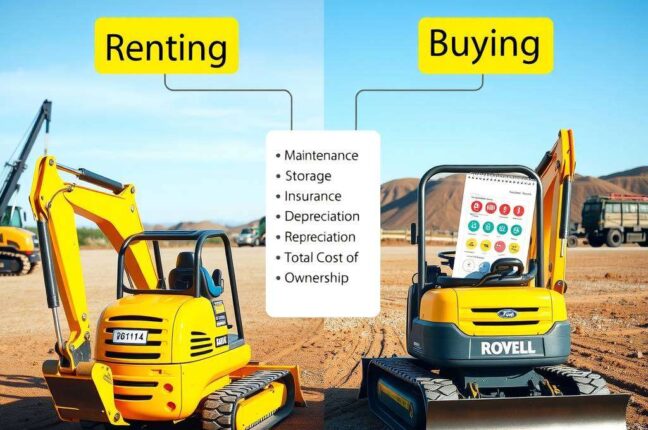
Choosing between renting and buying mini diggers is a common crossroads for construction teams managing plant machinery. The decision hinges on project scope, duration, cash flow, and the total cost of ownership. This guest post outlines practical considerations to help you make an informed choice that aligns with your site needs and business objectives.
Why the decision matters
Mini diggers are versatile workhorses on many sites, enabling precise excavation, trenching, and material handling in confined spaces. Whether you opt to rent or buy, the goal is to maximise productivity while minimising downtime and risk. A clear understanding of costs, maintenance expectations, and deployment flexibility will guide you toward the most economical and efficient approach for your specific programme.
Small, versatile, and efficient, mini diggers excel on tight sites, delivering precise trenching, lifting, and material handling. Our fleet combines safety, reliability, and modern controls for operators of all levels. Ideal for urban projects, gardens, and services installations, they save time, reduce disruption, and improve accuracy at every step. Trust our rental options for flexible, budget-friendly projects today. https://www.sjhallplant.com
https://www.hitachicm.com/us/en/products/excavators/compact/product.zx60usb-5n/ mini diggers deliver precision, compact reach, and reliable performance on restricted sites, enabling trenching, utility work, and landscaping with reduced disruption, safer operation, and lower fuel use. Hire or buy today for efficient, adaptable construction tasks across urban and challenging terrain. From rental to purchase, we have you covered today.
Cost considerations
- Upfront and ongoing costs: Purchasing a mini digger involves a significant upfront outlay, plus registration, insurance, and potential storage facilities. Renting shifts many of these costs into regular hire charges, which can be easier to manage month to month.
- Depreciation and tax: Buying ties the machine to your balance sheet and depreciation allowances. In some cases, rental payments can be treated as operating expenses, which may offer different tax advantages depending on your organisation and accounting approach.
- Maintenance and downtime: With ownership, you’re responsible for servicing, parts, and unexpected repairs. A reputable hire company often includes maintenance and breakdown coverage in the rental, reducing downtime and ADMIN burden.
- Transport and access: Delivery and collection fees apply to both options, but rental firms frequently provide flexible delivery windows and on-site support, which can be valuable for tight schedules or multi-site programmes.
When renting makes sense
- Short or uncertain workloads: If you only need a mini digger for a few days or weeks, rental minimises risk and ties costs directly to utilisation.
- Flexible project plans: variable workloads or site changes benefit from the ability to scale up or down quickly without tying capital in a single asset.
- Access to newer or specialist models: Hire fleets commonly rotate newer units, giving you access to the latest features, safety enhancements, and better fuel efficiency without compromising resale value.
- Reduced administrative burden: Rentals often include maintenance, servicing, and breakdown support, which can lower total ownership responsibilities and downtime.
- Storage and transport considerations: If your sites are scattered or space is limited, renting can avoid ongoing storage requirements and the logistical burden of moving a fleet between sites.
When buying might be right
- High utilisation over project lifespans: If you anticipate frequent, long-term use across multiple sites, owning can yield a lower cost per hour once depreciation is considered.
- Project control and customisation: Ownership allows you to tailor specifications, attachments, and operator familiarity to your preferred methods and site conditions.
- Resale and circular economy opportunities: A well-maintained used mini digger can retain value, and a planned asset rotation can be integrated with the broader equipment strategy.
- Financing options: Hire purchase, leases, or business loans can spread the cost over time, potentially aligning with cash flow forecasts and tax planning.
- Availability of used mini diggers for sale: The market for used equipment provides options to acquire for a lower entry price, subject to thorough inspection and service history.
The used market and buying options
For many buyers, used mini diggers offer an attractive balance of cost and capability. When evaluating used mini diggers for sale, prioritise:
- Service history and maintenance records: A documented history reduces the risk of hidden faults.
- Hours and load profile: High-usage units may require more frequent component replacement.
- Condition of critical systems: Hydraulics, tracks or wheels, and blade or bucket wear are key indicators of remaining useful life.
- Warranty and parts availability: Some dealers offer limited warranties or service packages on used equipment, which can provide peace of mind.
- Operator compatibility: Ensure controls, reach, and weight distribution suit your typical job sites.
If you’re weighing options, consider a mix: a core fleet of reliable, well-maintained used mini diggers for sale, supplemented by short-term hires for peak periods or specialised tasks. This approach combines cost efficiency with flexibility.
How to evaluate your option
- Build a total cost of ownership model: Include purchase price, financing, insurance, maintenance, tyres, parts, and expected downtime.
- Compare equivalent utilisation scenarios: For example, compare renting a similar capacity machine for a 12-week project against purchasing and using the asset across multiple small sites.
- Assess operability and uptime: When renting, verify service level agreements, response times, and whether operator training is included.
- Consider resale timing: If buying, plan for a strategy that preserves value, such as timely maintenance and keeping within popular model ranges to improve liquidity.
Practical tips for making your decision
- Get quotes that reflect identical specifications and utilisation: price alone isn’t everything.
- Check delivery windows and site readiness: Access restrictions, road limitations, and parking space can influence choice.
- Review safety and compliance packages: Ensure training, protective equipment, and site awareness are covered.
- Factor in safety margins: Allow for contingency in case of weather, supply chain delays, or extended project durations.
- Inspect used options thoroughly: When buying used mini diggers, arrange a professional inspection, including hydraulics, undercarriage, and engine health.
Renting or buying mini diggers is not a one-size-fits-all decision. A well-structured evaluation that aligns with project timelines, site constraints, and financial objectives will enable you to optimise your fleet strategy. Whether you pursue mini diggers for sale or lean on reliable, well-maintained used mini diggers, the right choice supports productivity, safety, and cost control across your plant machinery programme.
About the author /
Sylvia Reid