
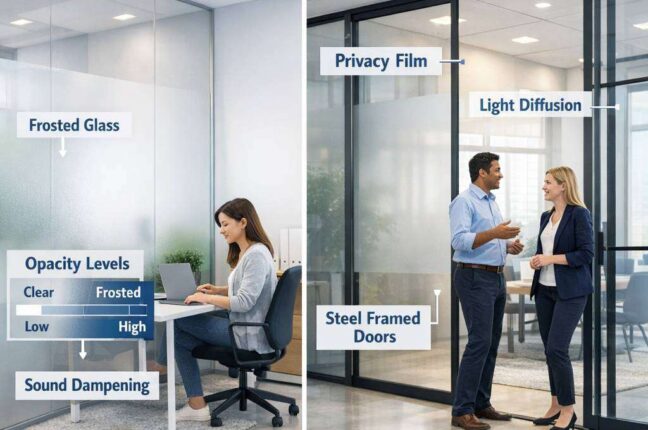
As an expert in contemporary workplace design, I’ve seen how the right glass office walls can transform both small and large workspaces. The best solutions balance light, acoustics, privacy, and flexibility, helping teams stay productive without sacrificing style. Below is a practical guide to selecting the most fitting glass wall systems for your environment, with friendly, clear guidance you can apply today.
Glass partitions and office walls with glass create an open, collaborative atmosphere while maintaining sound control and privacy where needed. Modern designs emphasize natural light, slim frames, and seamless transitions between spaces. For more ideas and products, visit https://www.urbansquare.net/ to explore stylish options that elevate any workspace.
Understanding Your Space: Small vs. Large Work Environments
Small studios, back-office corners, or cosy co-working nooks benefit from glass office partition walls that maximise vertical space and natural light. In smaller settings, the illusion of openness can dramatically boost morale and perceived roominess. Large workplaces, on the other hand, often require smarter zoning: distinct meeting areas, quiet rooms, and collaborative zones that still feel connected to the whole office. For these, glass walls for office space help establish clear boundaries without creating a claustrophobic atmosphere.
Consider how you currently use the floor plan. Do you need frequent collaboration zones or quiet concentration areas? Do you require easy reconfiguration as teams evolve? Answering these questions will guide your choice of materials, finishes, and hardware.
Glass Office Walls and Doors: A Flexible Foundation
The combination of glass walls and doors creates a seamless, modern aesthetic. Look for products that offer both glass office walls and doors, so you don’t have to compromise on style or performance. Key advantages include:
- Natural light transmission, which reduces dependence on artificial lighting.
- A perception of openness that supports collaboration while still allowing for designated spaces.
- A wide range of finishes and frame options to match your brand and interior design.
When selecting glass office walls and doors, pay attention to the frame profile. Slim, minimalist frames maximise visibility and light, while slightly bolder profiles can enhance privacy where needed. Clear or frosted glass is a common choice, but you can also opt for low-iron glass for crisper clarity or tinted glass to reduce glare.
Acoustic Performance: The Quiet Mindset
One of the most common concerns with glass walls is sound. Fortunately, modern glass office partition walls can deliver impressive acoustic performance when specified correctly. If privacy is a priority for meeting rooms or executive suites, look for:
- Glass with higher sound transmission class (STC) ratings and laminated interlayers that dampen noise.
- Double-glazing configurations or laminated multi-layer glass for enhanced sound attenuation.
- Seams and joints that are precisely sealed, with door sweeps and frames designed to minimise sound leakage.
For smaller spaces, a well-sealed glass wall enclosure or a glass wall enclosure can create a quiet corner without sacrificing visibility. For large spaces, you may implement a mix of open plans with strategically placed glass partitions to maintain acoustic comfort across zones.
Fire Safety and Compliance: Peace of Mind
Every workspace must meet local building regulations. Ensure that your glass partitions comply with fire safety standards relevant to your site. Fire-rated glass, such as ceramic or intumescent laminates, can be integrated into glass office walls where required, especially near corridors or exit routes. Additionally, consider the robustness of hardware—handles, hinges, and door closers should be rated for frequent use and have smooth operation with minimal maintenance.
If you plan outdoor or semi-exposed applications, such as a glass wall outdoor corridor or glazed exterior boundary, verify UV resistance, weather seals, and anti-corrosion finishes. Outdoor installations should be designed to handle temperature fluctuations and wind loads while maintaining a clean, professional appearance.
Privacy Without Compromising Light
Privacy is not inherently sacrificed with glass walls; it simply requires thoughtful design. Several options help you tailor privacy to each zone:
- Glass walls with intelligent frosting or etched patterns for partial obscuration.
- Glass wall enclosures that can be used to create private rooms with the option to re-open them later.
- Frosted films or laminated panels that can be applied to specific sections while preserving transparency elsewhere.
- Time-based or operable glass partitions where you can slide or retract sections to reclaim space as needed.
In small spaces, translucent glass can provide a sense of separation without breaking the visual continuity that makes the room feel larger. In larger spaces, clearly defined, enclosed meeting rooms with glass walls and doors can serve as quiet hubs within an open plan.
Hardware and Operating Systems: Sliding, Hinges, and Flexibility
The system you choose should support your workflow. Glass partition sliding doors are particularly popular for high-traffic areas where space is at a premium. They offer:
- Efficient utilisation of floor plan real estate compared with swing doors.
- Smooth operation and minimal intrusion into work areas.
- A contemporary look that complements various interior styles.
For rooms requiring frequent access, consider a soft-close mechanism or a soft bumper to reduce noise. If you need to reconfigure spaces often, modular glass partitions enable you to relocate walls or merge rooms with relative ease.
Aesthetics and Maintenance: Keeping It Impressive
Glass walls for office space are not just functional; they define a brand’s character. Choose finishes that align with your interior palette—clear, frosted, or tinted glass, with or without subtle etching or branding. Frames in brushed aluminium, white, or charcoal provide a refined contrast to the glass while staying low maintenance.
Maintenance considerations are practical: cleanability, resistance to fingerprints, and the ease with which hardware can be replaced or upgraded. For high-traffic areas, consider grooves or tracks that are easy to wipe down and components that resist corrosion and staining.
Practical Decisions: A Quick Checklist
- Solve for space type: small vs. large, open plan vs. defined zones.
- Decide on privacy needs: clear visibility vs. partial/total privacy.
- Choose glass type: clear, frosted, tinted, or patterned.
- Confirm acoustic requirements: STC ratings, laminated glass, and seals.
- Plan for operation: sliding doors vs. hinged doors, hardware quality.
- Verify compliance: fire safety, building regulations, and outdoor suitability if relevant.
Choosing the right glass office walls and doors isn’t just about aesthetics. It’s about creating a work environment that supports focus, collaboration, and wellbeing, while adapting to your evolving needs. With the right selection—whether you opt for glass office partition walls, glass wall enclosures, or glass partition sliding doors—you’ll achieve a balanced, stylish, and functional workspace that scales with your organisation.
If you’d like, I can help you draft a shortlist of product specifications tailored to your space, budget, and brand guidelines.
About the author /
Sylvia Reid