In the construction and engineering industries, the terms ‘machinery’ and ‘plant’ are frequently used, yet often misunderstood. While both terms encompass equipment essential for various tasks, they are not synonymous. Understanding the nuances and differences is vital for professionals involved in purchasing, renting, or operating such equipment. This guide will clarify these distinctions, aiding businesses in making informed decisions regarding their equipment needs.
The jargon surrounding plant equipment and machinery can be overwhelming, especially for those new to the field. This comprehensive exploration of heavy plant machinery, types of plant and machinery, and the market for second hand plant machinery will offer clarity and enhance your comprehension of this essential industry terminology. Whether you’re looking to invest in plant machinery sales or seeking second hand plant and machinery for sale, having a solid grasp of these concepts will enable you to navigate the market with confidence.
When it comes to the construction industry, having access to reliable machinery and plant is crucial for ensuring efficiency and safety on site. From excavators to load banks, the right equipment can make a significant difference in project timelines and outcomes. Whether you’re looking to buy or rent, it’s essential to choose a supplier with a strong reputation. For top-quality machinery and plant, visit sjhallplant.com for a comprehensive selection tailored to your needs.
What is Machinery?
Machinery refers to a broad category of instruments designed for specific mechanical tasks. These machines can range from simple mechanical devices, such as hand tools, to complex systems that automate industrial processes. In the context of construction, machinery includes equipment used for tasks like excavation, lifting, and transport. Examples of machinery in this context are diggers, bulldozers, and cranes.
When considering used plant machinery, it’s important to note that machinery often includes both portable and stationary equipment. For instance, generators and compressors fall under machinery but can be specifically tailored to support heavy plant machinery on site. As such, understanding the full scope of machinery is crucial for project planning and execution.
What is Plant?
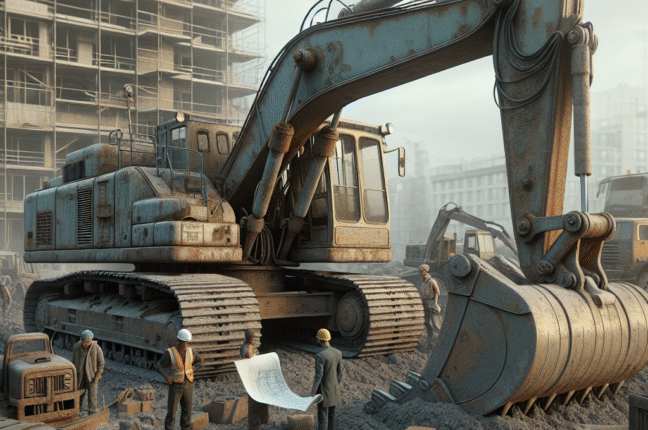
The term ‘plant’ refers specifically to the heavy plant machinery and equipment used in construction, civil engineering, and other related industries. Plant is typically larger, more complex, and often requires specialised operation. It encompasses machines like excavators, backhoes, and roller compactors, which are designed to perform heavy-duty tasks.
In the UK, the term plant machinery extends to any vehicle, device, or apparatus that performs work in a construction setting. Therefore, whether it’s static or mobile, if it plays an integral role in the construction process, it’s classified as plant. This understanding informs procurement strategies, especially when considering the purchase or rental of plant machinery for specific jobs.
Key Differences Between Machinery and Plant
To further elucidate the distinctions between machinery and plant, consider the following factors:
Scope of Application: Machinery has a broader application, encompassing a wide range of equipment beyond construction, including agricultural machines and manufacturing devices. Plant, however, is specific to the construction and civil sectors, focusing significantly on equipment that engages in heavy lifting, earth moving, and site preparation.
Size and Complexity: Generally, plant equipment tends to be larger and requires more substantial power sources, while machinery can include smaller and simpler tools. For instance, small hand-held drills are classified as machinery, whereas a large hydraulic excavator belongs in the plant category.
Operation Requirements: Often, the operation of plant machinery demands specialised skills and training due to its complexity and the nature of the work involved. In contrast, machinery might not always require extensive expertise—basic operation skills can suffice for many types of machinery.
Regulatory Considerations: The use of plant machinery is often subject to strict health and safety regulations, particularly because of its size and potential hazards. Compliance with these regulations is paramount for any business looking to rent or purchase second hand plant machinery. Understanding these regulations will assist you in ensuring that any plant machinery for sale complies with local laws and safety standards.
The Market for Second Hand Plant Machinery
With the current economic climate, many businesses are exploring options for second hand plant machinery. The market for used plant machinery was robust even before 2023, and it is gaining traction as companies look for cost-effective alternatives without compromising quality. The benefits of investing in second hand plant and machinery for sale include reduced costs, immediate availability, and the opportunity to acquire equipment with a proven track record of performance on various projects.
However, careful consideration must be given to the condition of second hand equipment. When exploring plant machinery for sale in the UK, it is vital to assess warranty conditions and maintenance history. Investing in equipment that has been well-maintained can significantly reduce operational downtimes and unexpected repair costs in the long run.
FAQ: Machinery and Plant
What is the difference between machinery and plant?
Machinery typically refers to individual machines used for specific tasks, such as excavators, bulldozers, or forklifts. In contrast, "plant" encompasses the full range of equipment, including machinery as well as other assets needed for construction operations like trailers and heavy lifting gear.
What types of machinery and plant do you offer for rent?
We offer a diverse range of machinery and plant available for rent, including but not limited to excavators, skid steers, cranes, backhoes, dump trucks, and compactors. Each piece is maintained to ensure optimal performance on your job site.
Can I rent machinery and plant for short-term projects?
Yes! We provide flexible rental options that cater to both short-term projects needing immediate access to specialised equipment as well as long-term contracts for extended use.
Is it possible to purchase used machinery or plant from your company?
Absolutely! We have a selection of certified pre-owned machinery and plant available for purchase. Our sales team can guide you through the process of selecting the right unit based on your needs.
Do you provide delivery services for rented machinery and plant?
Yes! We offer competitive delivery rates. Our logistics team will work with you to coordinate a delivery schedule that meets your project timeline.
Do I need special training or certification to operate rented machinery or plant?
Yes; operators must have appropriate training or certifications depending on the type of equipment being used. This is crucial not only for safety but also compliance with industry regulations.
What maintenance services do you provide for rented machinery and plant?
Our rental service includes regular maintenance checks before each rental period starts. Additionally, if any issues arise during your rental period—please contact us immediately so we can resolve them quickly.
How can I choose the right type of machine or plant equipment for my project?
Consulting our knowledgeable staff is highly recommended; they will evaluate your needs based on project scope and site conditions. You could also use our online guides that detail specifications about various types of equipment available in our inventory.
Feel free to reach out if you have any more questions regarding our offerings related to machinery and plant!
Advantages of Renting Plant Machinery
For many companies, renting plant machinery rather than purchasing it outright presents numerous advantages. The flexibility that rental agreements provide allows contractors to match equipment availability with specific project needs without incurring hefty upfront costs. Furthermore, renting can facilitate access to the latest technology and efficiencies in heavy plant machinery that might be cost-prohibitive for purchase.
Another benefit of renting is wear and tear; rental agreements often include maintenance services, protecting short-term users from additional expenses associated with upkeep. By utilising rental options, businesses can easily scale equipment based on project demands, ensuring they have access to the right plant equipment at the right time.
In conclusion, understanding the differences between machinery and plant is not only beneficial for compliance and safety, but it also plays an essential role in strategic decision-making regarding equipment procurement. By grasping these concepts, professionals can better navigate the complexities of the construction industry and optimise their operations.
About the author /
Sylvia Reid