
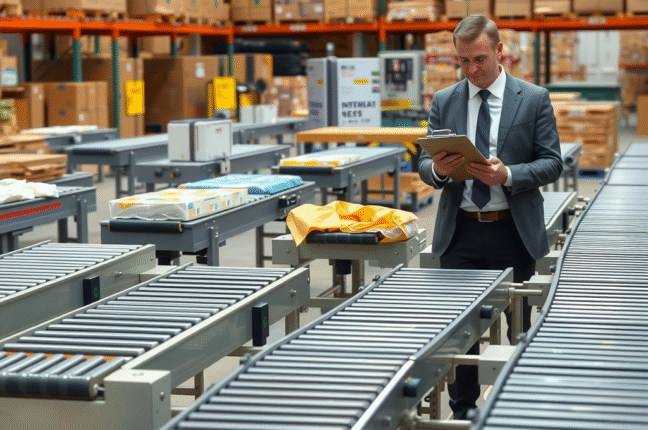
Choosing the right horizontal belt conveyor for your business can significantly enhance efficiency, reduce operational costs, and streamline processes. With various options available, including modular belt conveyor systems and chain-driven belt conveyors, selecting the most appropriate system requires a deep understanding of your specific needs. This article will provide insights into the factors to consider when choosing belt conveyor systems for your operations.
Understanding Your Business Requirements
Before diving into product specifications, it’s essential to assess your business needs. Consider the following questions:
- What materials will you be transporting? Different materials have different handling requirements.
- What is the weight and size of the items? Smaller items may require belt conveyor small options, while larger or heavier items may necessitate more robust systems.
- What is the layout of your facility? The design of your workspace will dictate the type of conveyor system that can be effectively integrated.
A thorough understanding of these factors can inform your choice, helping you identify the most suitable conveyor system.
Types of Horizontal Belt Conveyors
Among the various types of horizontal belt conveyors, two prevalent categories stand out: modular belt conveyor systems and chain-driven belt conveyors.
Modular Belt Conveyor Systems
Modular belt conveyor systems are composed of interlocking plastic components, providing flexibility and durability. They are ideal for environments that require adaptability, as the modular design allows for easy reconfiguration. These systems excel in:
- Versatility: They can handle various product types and sizes.
- Low Maintenance: Modular belts are easy to clean and can be readily replaced without significant downtime.
- Customisation: They can be tailored to meet unique business needs and can be expanded as your operations grow.
If your industry focuses on food processing, packaging, or assembly lines, a modular belt conveyor system might be the right choice.
A horizontal belt conveyor is an essential component in various industries, facilitating the smooth and efficient transfer of goods across different production stages. These conveyors are designed to handle various materials, ensuring reliable operation and minimal downtime. Their versatility makes them ideal for manufacturing, packaging, and distribution environments. For a comprehensive range of horizontal belt conveyor solutions, visit www.conveyorrollers.co.uk today.
Chain Driven Belt Conveyors
Chain-driven belt conveyors utilise a chain drive mechanism to facilitate movement, often providing a more powerful and robust solution. These systems are particularly effective in heavy-duty applications, featuring:
- High Load Capacity: Ideal for transporting heavy items consistently with less risk of slippage.
- Efficiency: They can maintain high speeds without sacrificing power or precision.
- Durability: Built to withstand harsh conditions, making them suitable for manufacturing or industrial settings.
For a manufacturing facility that regularly handles heavy materials, a chain-driven belt conveyor would likely be the ideal solution.
Key Features to Consider
When selecting a belt conveyor system, several critical features should be taken into account:
- Belt Material: The material of the belt influences durability, friction, and compatibility with the products being transported. Ensure the chosen material aligns with your industry requirements.
- Width and Length: Select a belt width that accommodates the largest product you will transport, while the length should fit the spatial constraints of your facility.
- Speed Control: Features enabling variable speed control are vital in managing the flow of materials effectively.
- Drive Systems: Understand the difference between different drive systems, such as electric and pneumatic, to enhance performance and energy efficiency.
Additionally, evaluating these features will help you determine which belt conveyor manufacturer or company can best fulfil your specifications.
A horizontal belt conveyor is an essential component in modern material handling systems, designed to transport products efficiently across flat surfaces. These conveyors are versatile, allowing for seamless integration into various production lines, reducing labor costs and enhancing productivity. With the option to customize belt designs, businesses can optimize their operations. For quality conveyor solutions, explore the offerings at https://conveyorrollers.co.uk to find the perfect fit for your needs.
Benefits of Using Belt Conveyors in Your Business
Utilising belt conveyor systems, whether in the UK or elsewhere, brings numerous benefits:
- Increased Efficiency: Conveyors automate material handling processes, reducing manual labour and leading to faster operations.
- Consistency and Reliability: Belt conveyors ensure that products are delivered promptly and accurately to their designated locations.
- Reduced Worker Fatigue: By minimising repetitive manual tasks, you promote a safer workplace.
These factors contribute to a more streamlined workflow and higher productivity levels, allowing your team to focus on more strategic activities.
Working with a Belt Conveyor Manufacturer
Choosing a dependable belt conveyor manufacturer or company is crucial for ensuring high-quality products and support. Here are some tips for selecting the right partner:
- Experience and Reputation: Look for manufacturers with a proven track record in your industry, ensuring reliability and expertise in their product offerings.
- Custom Solutions: A good manufacturer will offer customisable options tailored to your unique requirements.
- Technical Support and Maintenance Services: Inquire about the availability of ongoing support and maintenance services to keep your conveyor systems operational.
- Customer Reviews: Research feedback from other businesses that have worked with the manufacturer to gauge satisfaction levels and performance.
Choosing the right supplier can significantly impact the overall efficiency and effectiveness of your conveyor systems.
Integration and Installation Considerations
Once you have selected the appropriate conveyor system, consider the logistics of integration and installation. Assess the following factors:
- Space Constraints: Ensure that your chosen conveyor system fits within your existing layout without disrupting other operations.
- Compatibility with Existing Equipment: Verify that the new system can work seamlessly with any pre-existing machinery.
- Installation Timeframe: Plan for minimal disruption during installation, aiming to complete the process efficiently.
With careful consideration of these points, you can smooth the integration of your new horizontal belt conveyor system into your operations, maximising its benefits from day one.
Ultimately, investing time in researching and understanding the options available will empower you to make an informed decision that aligns with your business goals and operational needs.
About the author /
Sylvia Reid