
In today’s fast-paced industrial landscape, choosing the right conveyor system for your business can significantly enhance operational efficiency, reduce labour costs, and improve the overall workflow. Whether you are transporting bulk materials or handling packaged goods, understanding the various types of conveyors and their specific applications is crucial for selecting the best fit for your operations. This guide will explore the different types of conveyor systems, their advantages, and tips to help you make an informed decision.
Understanding Conveyor Systems
Conveyor systems are mechanical devices that move materials from one location to another within a facility. These systems come in various shapes and sizes, tailored to meet specific functions, including material handling, sorting, and assembly. Conveyor systems can be categorised based on their design and the types of materials they transport.
Types of Conveyor Systems
Belt Conveyors
Belt conveyors are among the most common types of conveyor systems. They consist of a continuous loop of belt material that runs over pulleys, allowing for the smooth transport of goods. Belt conveyors are versatile, suited for both bulk and packaged products, and can easily navigate around corners when designed with curves.
Roller Conveyors
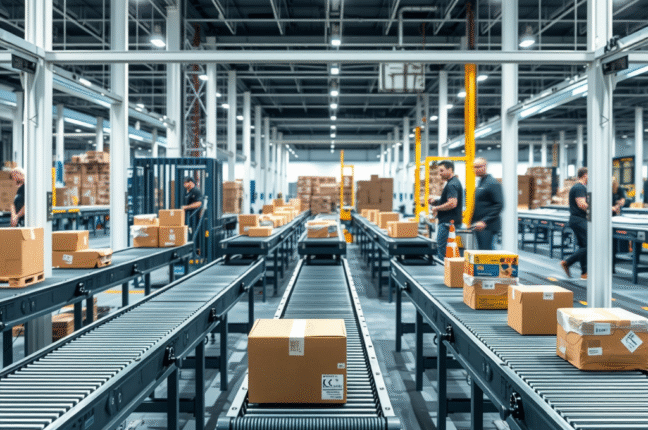
Roller conveyors use a series of cylindrical rollers to transport products. These systems are typically employed in warehouse settings for moving boxes and pallets. Roller conveyors can be powered or gravity-driven, making them adaptable to various applications, especially for goods that are pre-packaged or boxed.
Chain Conveyors
Chain conveyors utilise a chain to pull and move products along the system. These conveyors are ideal for heavy or cumbersome items that require substantial support. Chain conveyors excel in conditions where hygiene is paramount, such as food production and pharmaceutical sectors, as they can be designed to accommodate wash-down procedures.
Screw Conveyors
Screw conveyors are used for moving bulk materials in a continuous manner. They consist of a helical screw that rotates within a tube or trough, pushing the material along. This conveyor type is particularly effective for handling powders, granules, and liquids, making it indispensable in agriculture, food, and chemical processing industries.
Pneumatic Conveyors
Utilising air pressure or vacuum, pneumatic conveyors transport materials through pipelines. This method is ideal for moving small or fine particles, such as powders or granules, and is commonly found in food processing and pharmaceuticals for its ability to maintain cleanliness and prevent cross-contamination.
Key Considerations in Choosing a Conveyor System
When selecting a conveyor system, various factors should be considered to ensure that it meets your business requirements.
Load and Capacity
Understand the weight and volume requirements of the products you will be handling. Each conveyor type has its own load capacity, and it is essential to choose a system that can handle your specific needs without causing undue strain or failure.
Speed Requirements
The speed at which your products need to be transported can influence your choice of conveyor system. Assess the processing speed of your operations and select a conveyor that can maintain or exceed this rate without bottlenecks.
Space Constraints
Available space is a critical factor when designing a conveyor system. Measure the area where the conveyor will be installed and consider how much room is needed for maintenance and accessibility. Customised conveyor systems can be designed to fit within limited spaces while maximising efficiency.
Product Type
The type of materials being transported plays a fundamental role in determining the best conveyor option. For example, fragile items may require a gentler handling approach, while heavy or abrasive materials may necessitate more robust solutions. Consider the physical characteristics of your products, including size, weight, and fragility.
Industry Standards and Compliance
Certain industries have stringent regulations regarding material handling, especially in sectors such as food and pharmaceuticals. Ensure that your selected conveyor system adheres to the necessary compliance and safety standards, which may include materials that are non-toxic, easy to sanitise, or resistant to specific environmental conditions.
Customisation and Flexibility
An effective conveyor system can often require customisation to meet unique business demands. Flexibility in design can facilitate the integration of additional functions, such as sorting, accumulation, or merging, allowing for a more efficient workflow. Many manufacturers offer modular designs, enabling businesses to expand or modify their systems as needs change.
Cost Considerations
While it may be tempting to choose the cheapest conveyor system available, it’s important to consider the long-term value. Initial costs, maintenance, energy efficiency, and durability should all be factored into your decision-making process. Often, investing in a high-quality system can lead to significant cost savings through reduced downtime and lower maintenance expenses.
Conveyor systems play a vital role in various industries by streamlining the movement of materials and products. They enhance operational efficiency, reduce manual labor, and minimize workplace accidents. With numerous configurations available, businesses can find the perfect setup to meet their specific needs. Whether for manufacturing, distribution, or warehousing, the right equipment can vastly improve productivity. Explore innovative solutions today, including versatile options like conveyor systems that cater to diverse operational requirements.
Conveyor systems play a crucial role in enhancing productivity and efficiency in various industries. These automated solutions streamline the movement of goods, reducing manual labor and operational costs. For more information on effective conveyor systems, visit https://conveyorrollers.co.uk to explore a range of innovative options.
Engaging with the Right Vendor
Selecting the right vendor is critical to successfully implementing a conveyor system. Look for a supplier with a strong track record and expertise relevant to your industry. Consult with them to ensure you fully understand how their solutions can benefit your operations and request references or case studies demonstrating successful installations.
By carefully considering these factors and investing the time in researching conveyor systems, you can make the right choice for your business needs. A well-suited conveyor can streamline your operations, reduce costs, and positively impact your bottom line, making it a vital asset for your business.
About the author /
Sylvia Reid
